naoussa
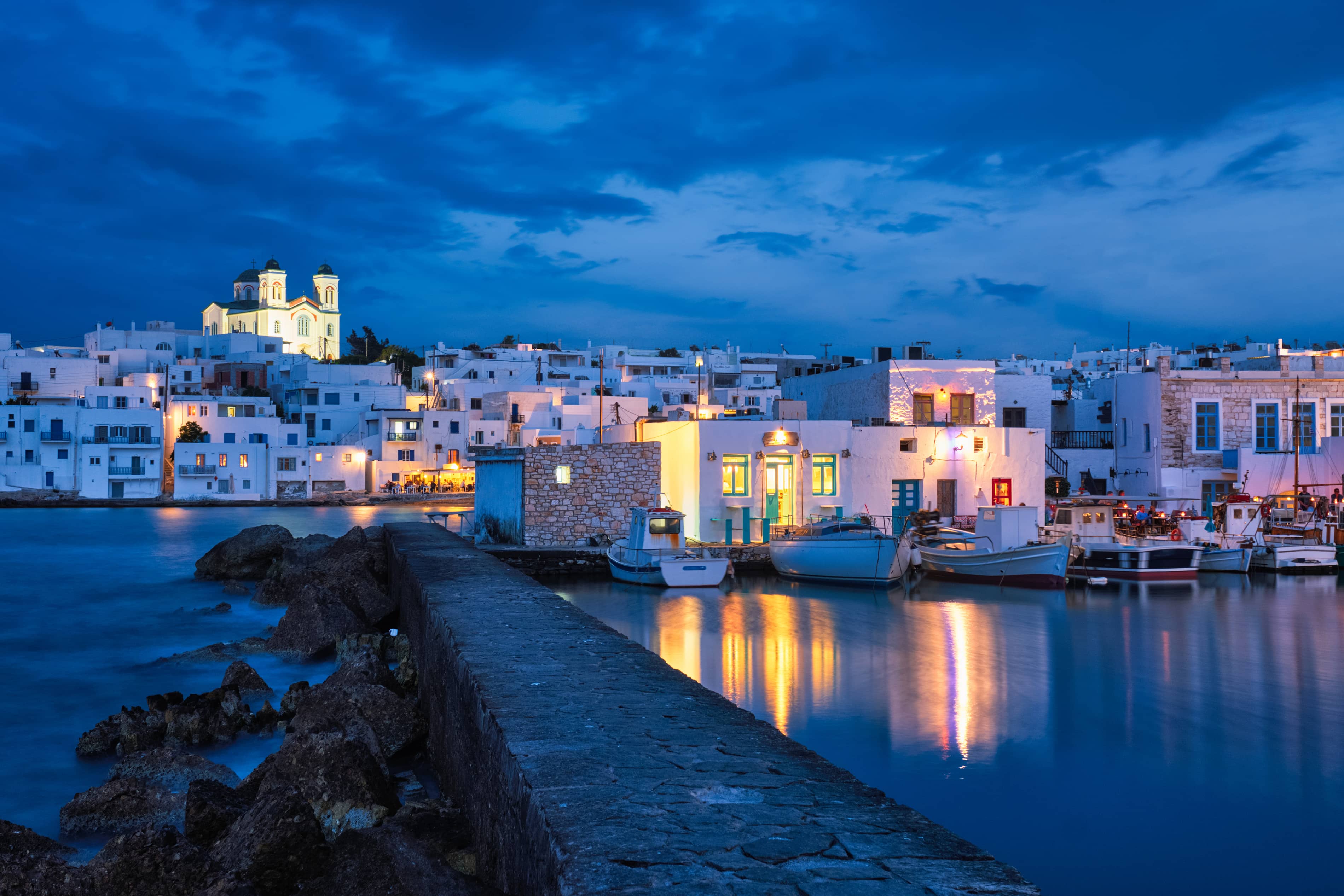
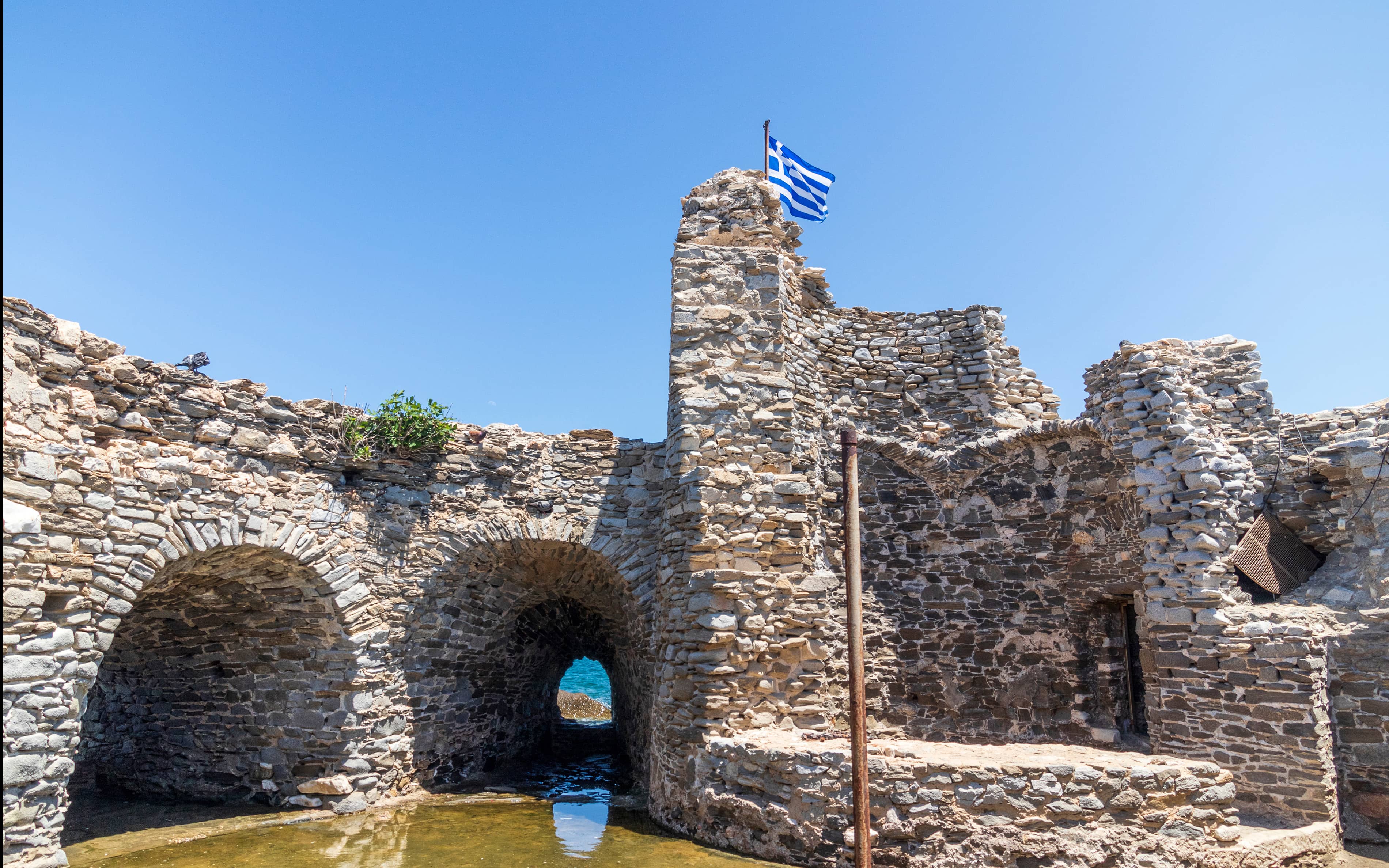
On the northern shore of Paros, where a deep natural bay carves into the coast, lies Naoussa, one of the most beautiful harbours in the Cyclades. For centuries, this sheltered anchorage has shaped the life of the town around it. Venetians, Ottomans, and Russians all recognised its value; in the 1770s, the Russian navy made the bay its Aegean headquarters, and a half-submerged Venetian watchtower still stands in the water at the harbour's mouth—the most photographed remnant of the fortress that once guarded the port.
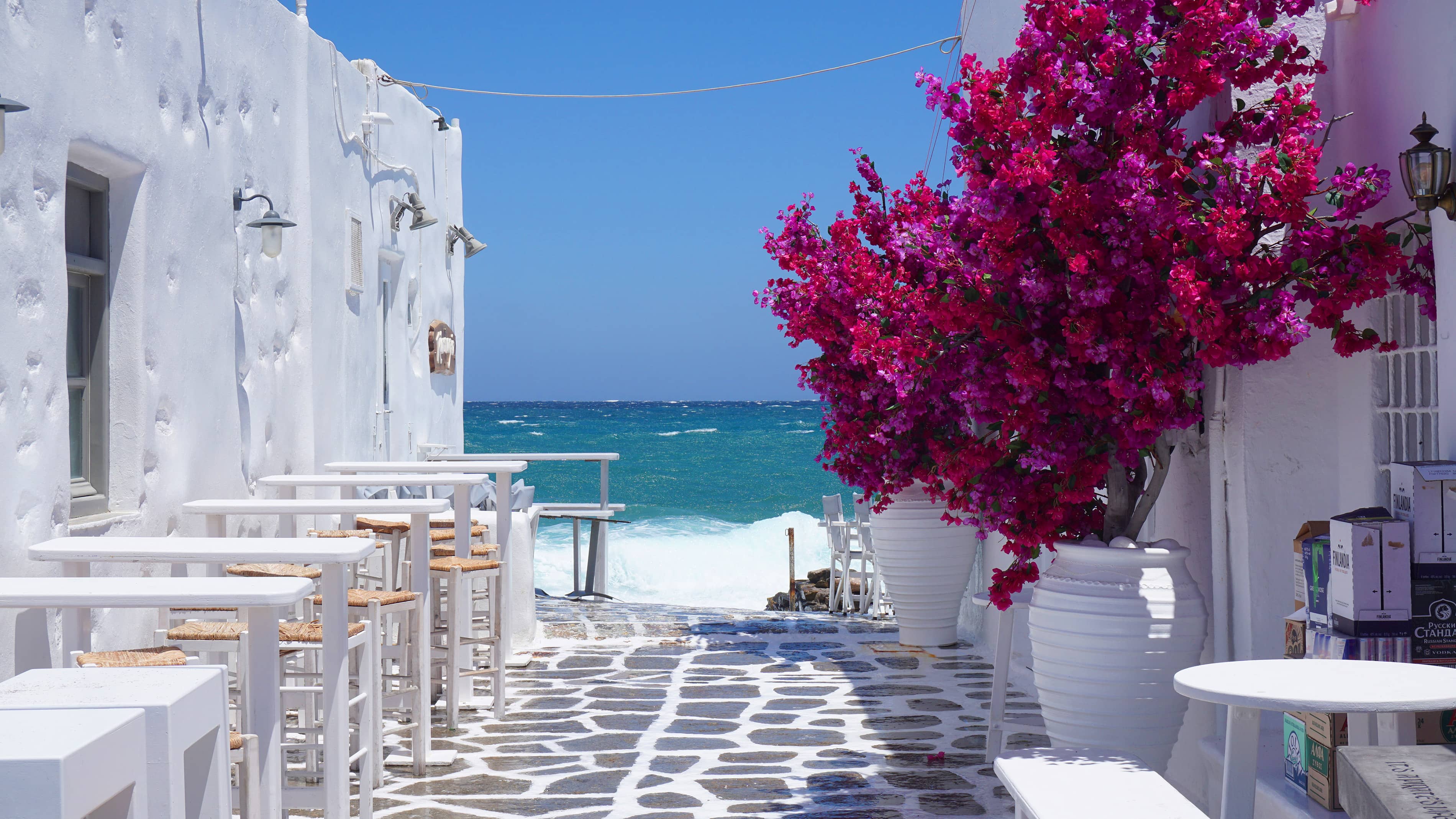
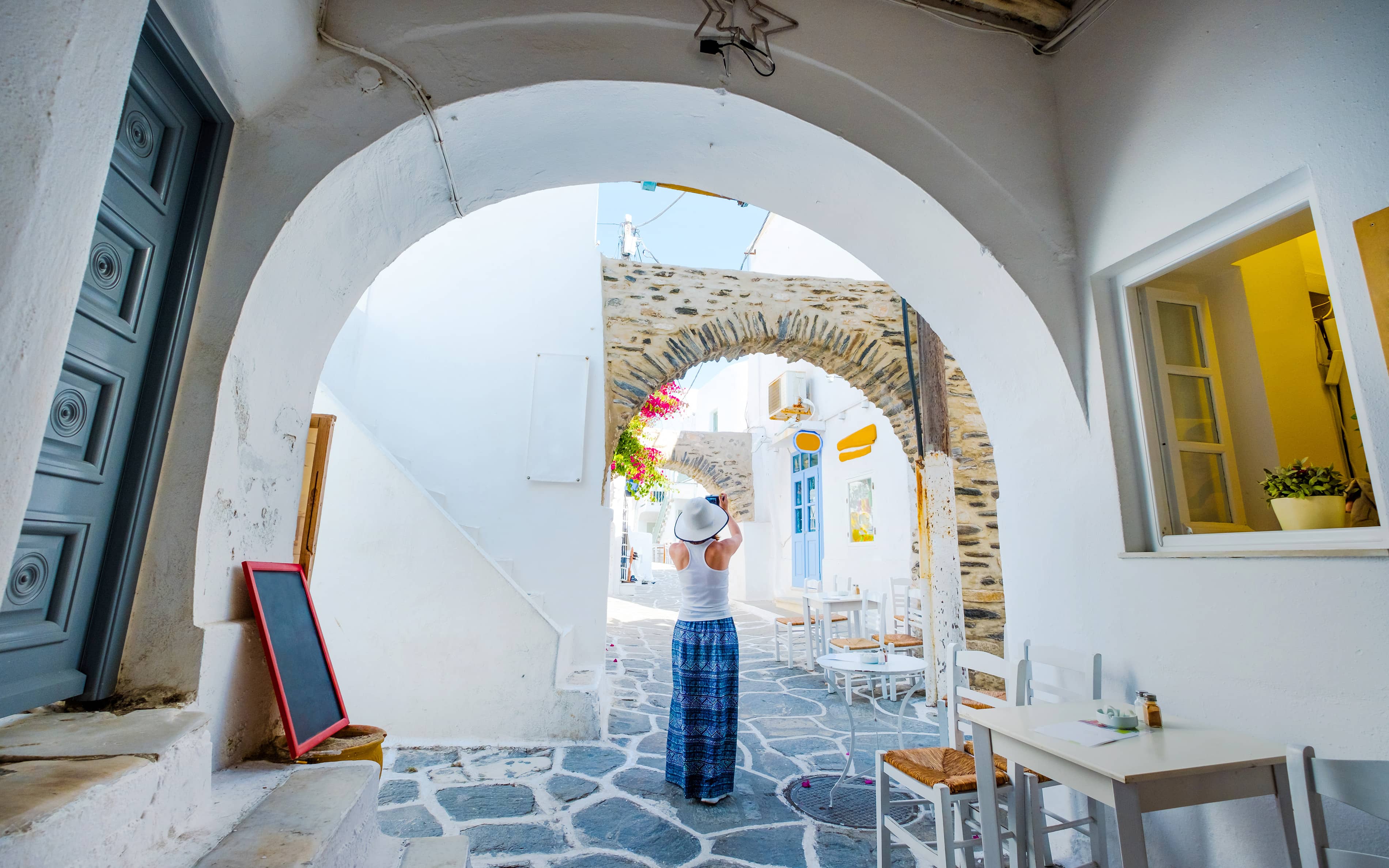
Naoussa grew as a fishing village, and at its peak boasted the largest fishing fleet in the Cyclades. That maritime character endures: brightly painted wooden caïques still tie up along the quay beside visiting yachts, fishermen land their catch each morning, and the tavernas behind the waterfront serve it the same day. Whitewashed cubic houses rise directly from the water's edge, threaded by narrow, winding lanes that suddenly open onto the sea.
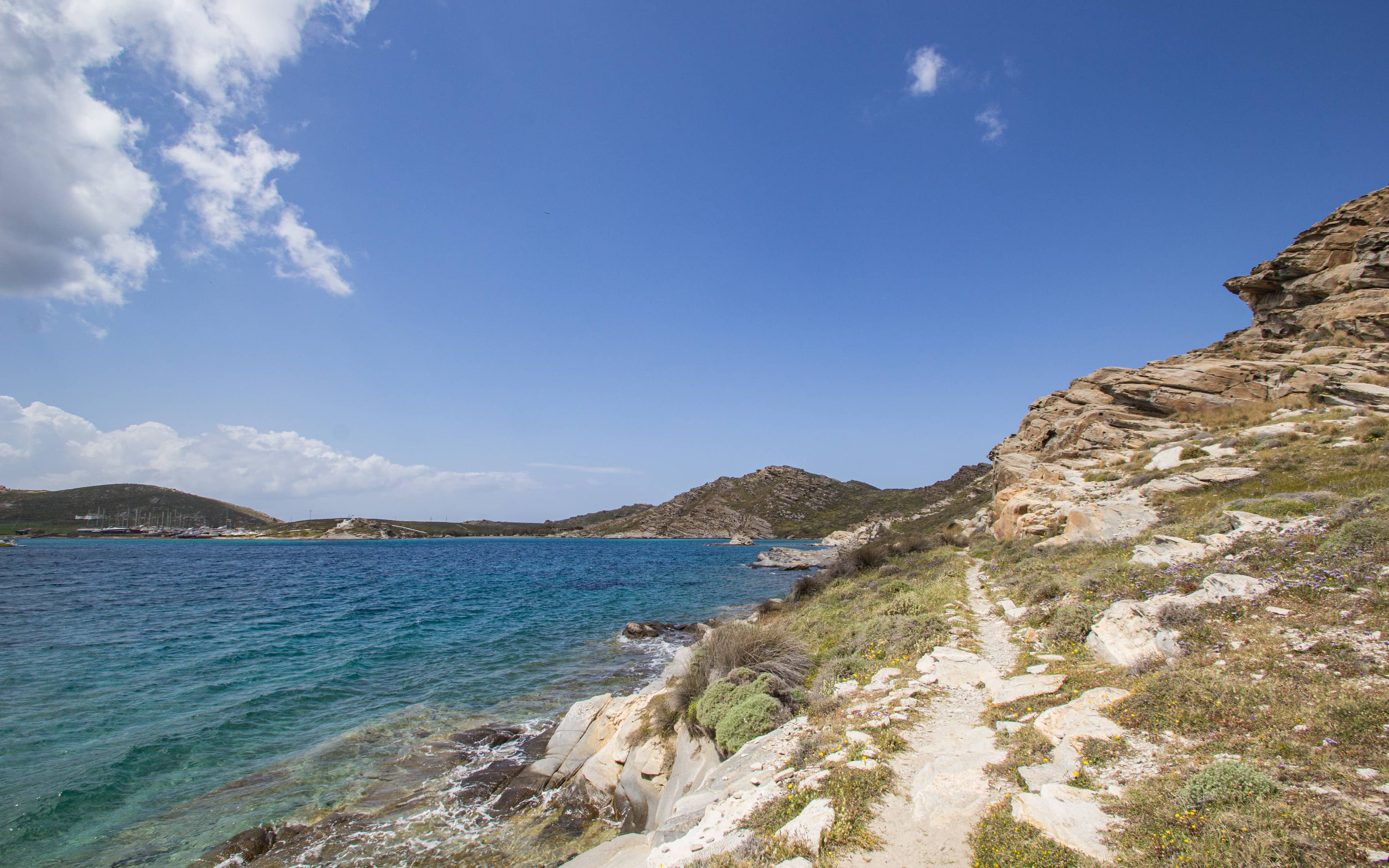
Today, Naoussa is also the island's liveliest destination, celebrated for its restaurants, boutiques, and effortless elegance. Yet the old village fabric remains intact, and the rhythm of the port still sets the tone. Around the bay stretch some of Paros's finest beaches and the Environmental and Cultural Park of Agios Ioannis Detis on the island's northwestern peninsula, with walking trails, quiet coves, and centuries of heritage to explore.
Sheltered, storied, and unmistakably Cycladic, the Bay of Naoussa remains what it has always been: a place where the sea comes first.
sailing in the cyclades
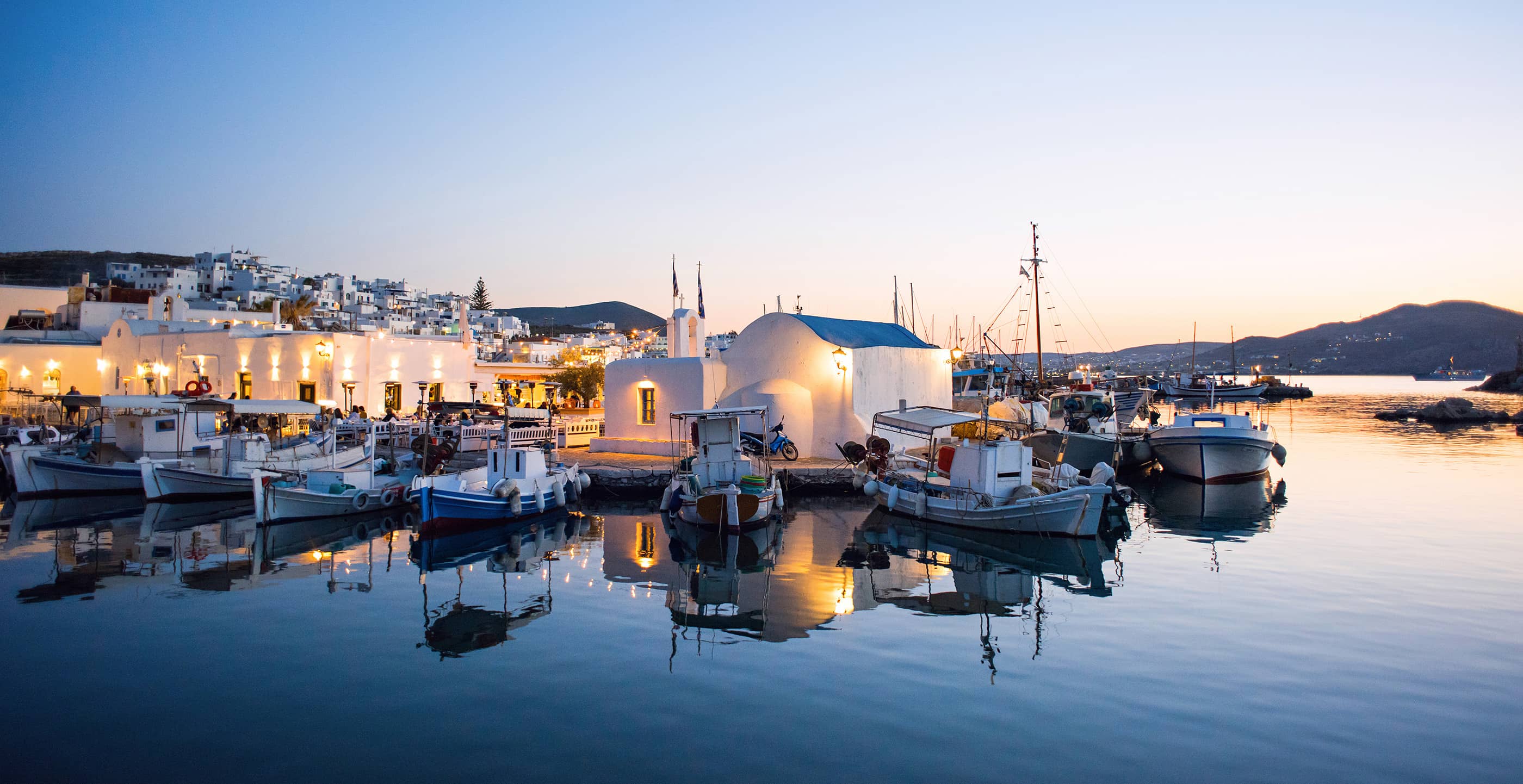
Few places in the world are made for sailing the way the Cyclades are. Scattered across the central Aegean, this constellation of sun-bleached islands lies within easy reach of one another, often a day's sail or less, making it one of the Mediterranean's great cruising grounds. From Naoussa, the whole archipelago opens up. Naxos rises just 8 nautical miles to the east, Antiparos sits across a narrow channel, and Mykonos, Ios, Milos and the rest are all comfortably within range.
The defining force here is the Meltemi, the dry north wind that sweeps down through the Aegean from roughly May to September. It builds through the late morning, peaks in the afternoon and eases after sunset, and it funnels and accelerates between the islands. The channel between Paros and Naxos is a classic example. For experienced crews it delivers exhilarating, reliable sailing, and for everyone it rewards good planning, an early start, and respect for the forecast.
What makes Cycladic sailing unforgettable is the contrast: bright open passages under a steady breeze, then the calm of a sheltered bay at the end of the day. The deep, protected Bay of Naoussa has been a favoured anchorage for centuries, and the islands are ringed with coves, fishing harbours and beaches reachable only from the water.
Drop anchor below a whitewashed village, swim in clear water, and walk ashore for fresh fish and local wine. In the Cyclades, the journey between islands is every bit as memorable as the islands themselves.
Paros Park
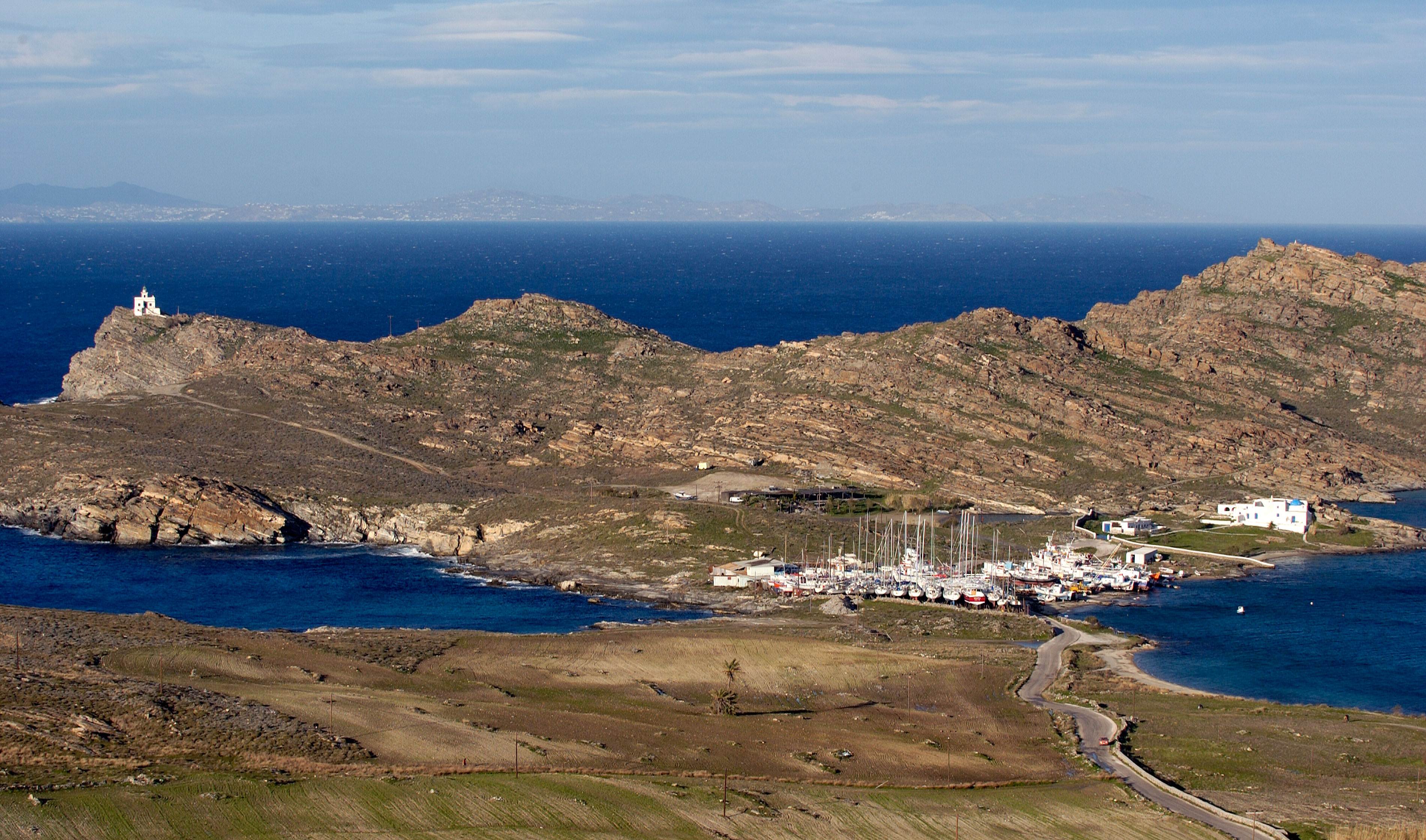
The Marina is operated by Paros Park, the organisation behind the Environmental and Cultural Park of Paros at Agios Ioannis Detis, on the cape that closes the northern side of Naoussa Bay. Established in 2009 as the first protected park of its kind in the Cyclades, it covers roughly 80 hectares of unspoilt nature and coastline. Since its founding, the Park has hosted the Festival at the Park, a summer-long series of open-air concerts, theatre, dance, and cinema running from June to September. This festival has grown into one of the Cyclades' leading cultural events, drawing acclaimed Greek and international artists to the Archilochos amphitheatre above the central beach of Catholico. The Park is run largely by volunteers, with all proceeds reinvested in its upkeep and programs.
The Park exists to protect and share this unique stretch of land. Within its boundaries lie quiet beaches and coves, a network of walking and hiking trails, the Kavo-Koraka lighthouse, the monastery of Agios Ioannis Detis, a museum showcasing Russian cartography from the 18th century, remains of a prehistoric settlement, and traces of the 19th-century Russian naval base that once commanded the bay. The Archilochos amphitheatre and Cine Enastron open-air cinema sit at the heart of these grounds, anchoring the Park's cultural life year-round.
This same spirit guides the Marina. As an extension of the Park, it is managed with the same commitment to the landscape, the sea, and the local community that defines everything Paros Park does. Visitors arriving by boat step into a place where Cycladic nature and culture are protected rather than consumed, and where tourism is balanced with the long-term health of the island.
Open year-round, Paros Park stands as the municipality's model for green and cultural tourism—proof that one of the most beautiful corners of Paros can be enjoyed, cared for, and preserved for generations to come.
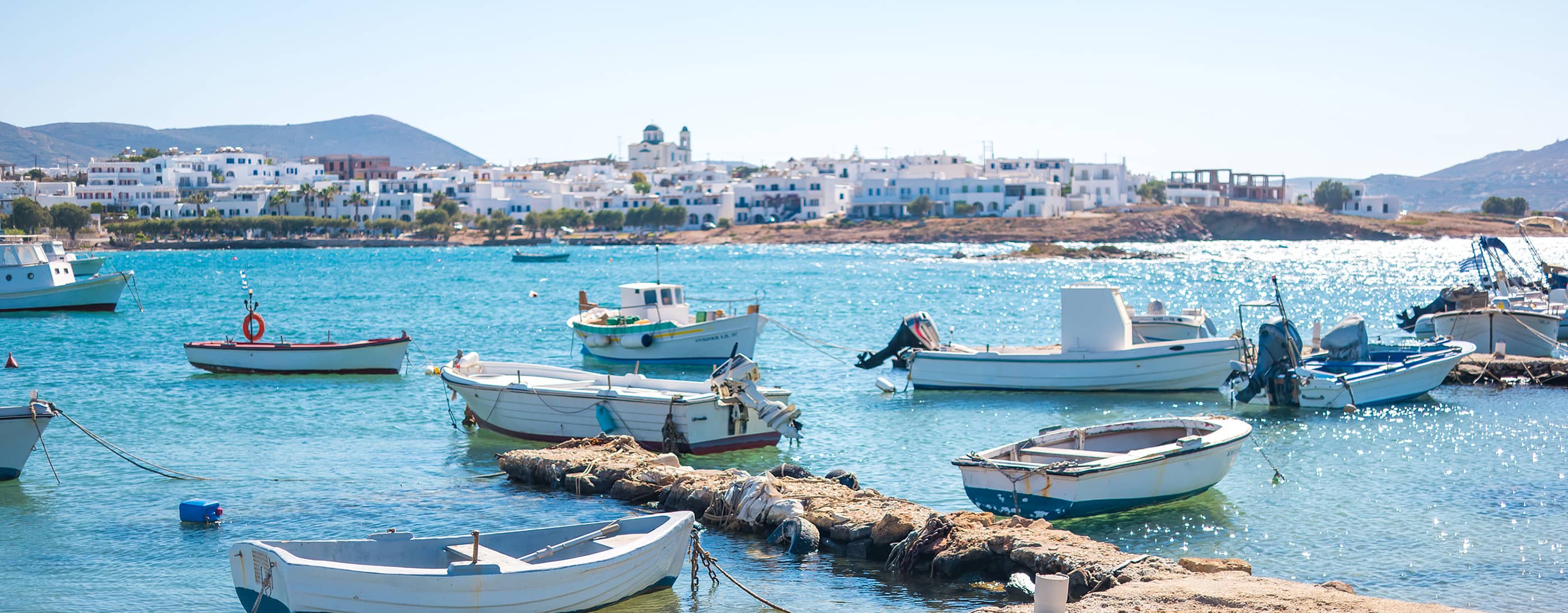
around the marina
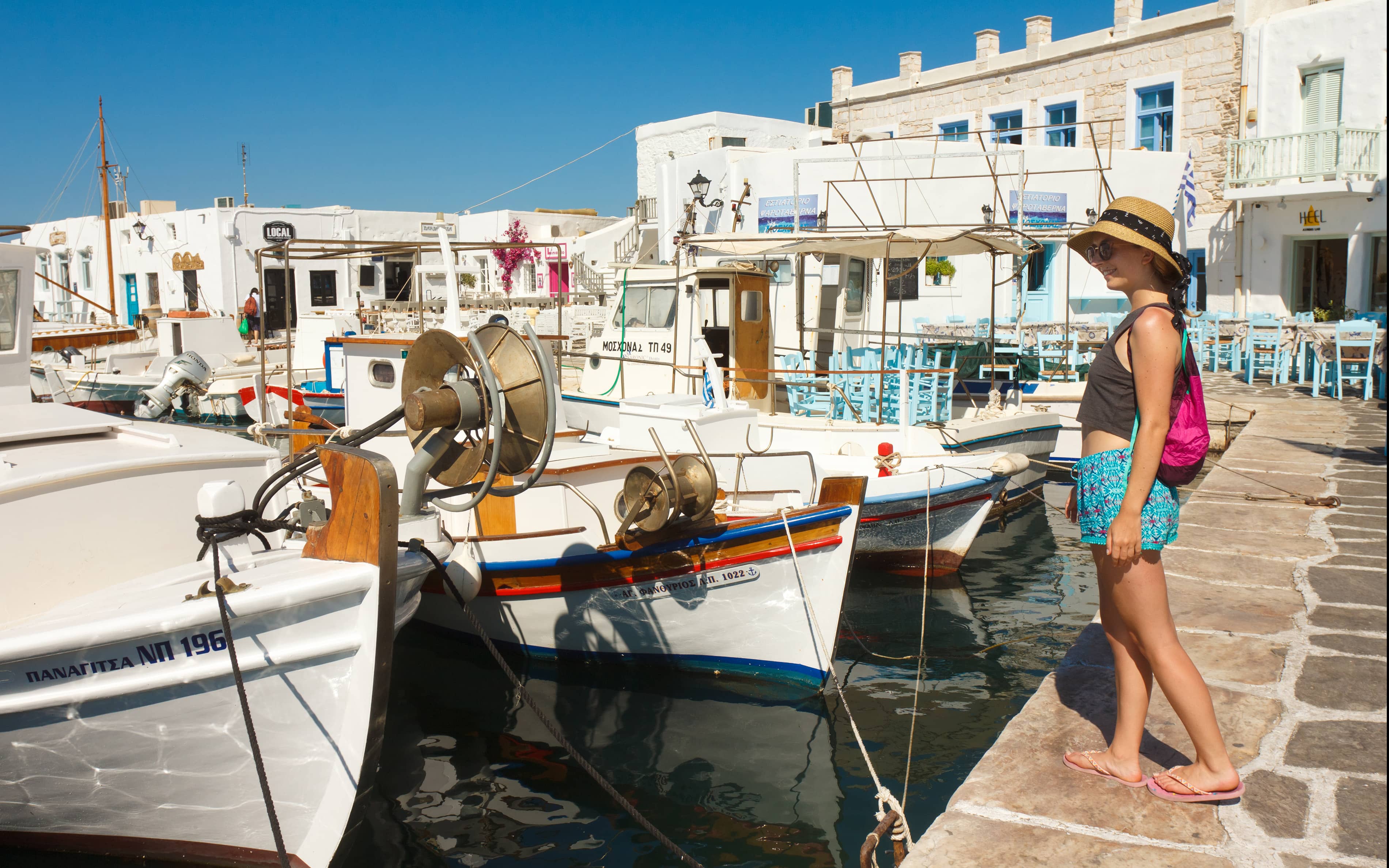
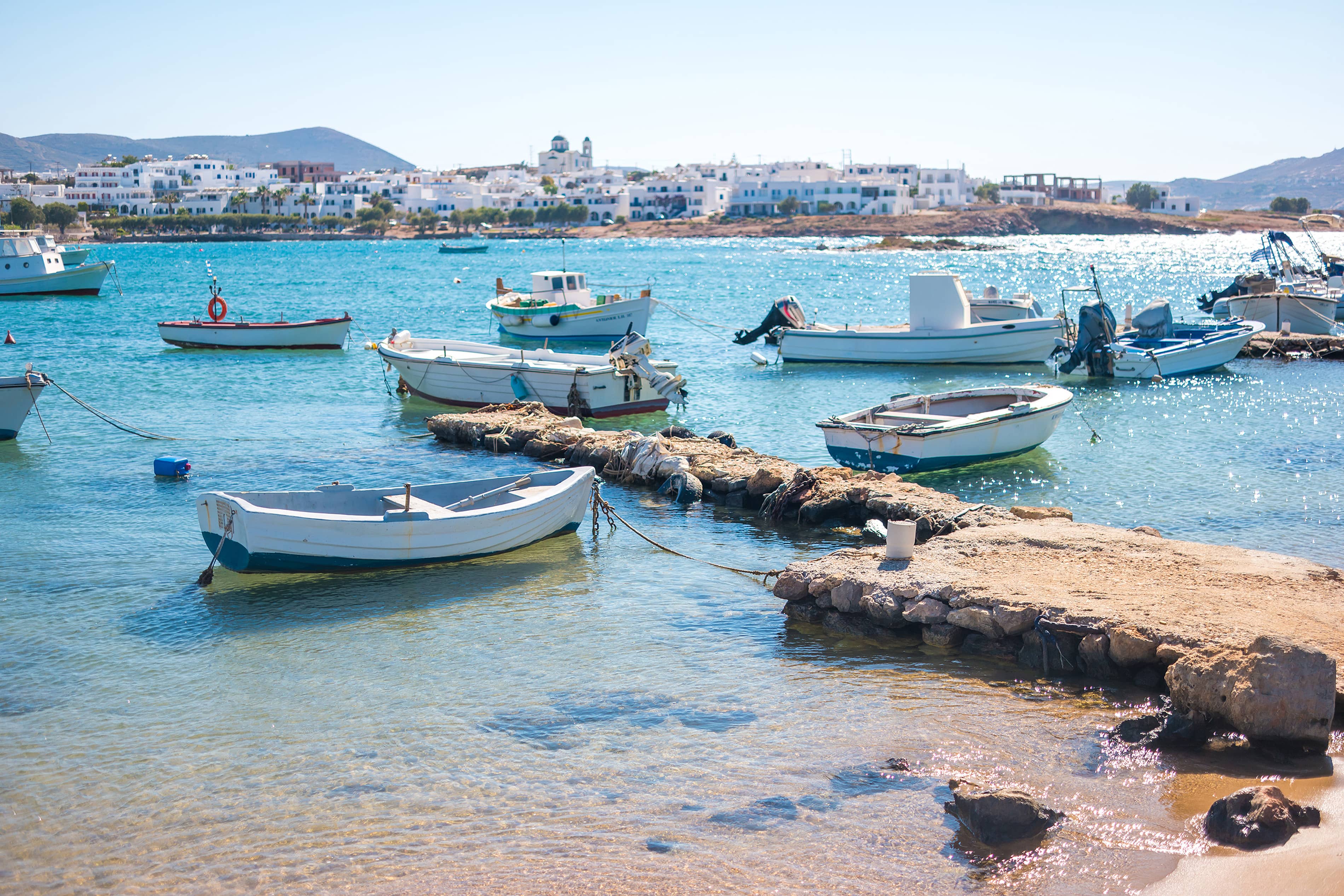
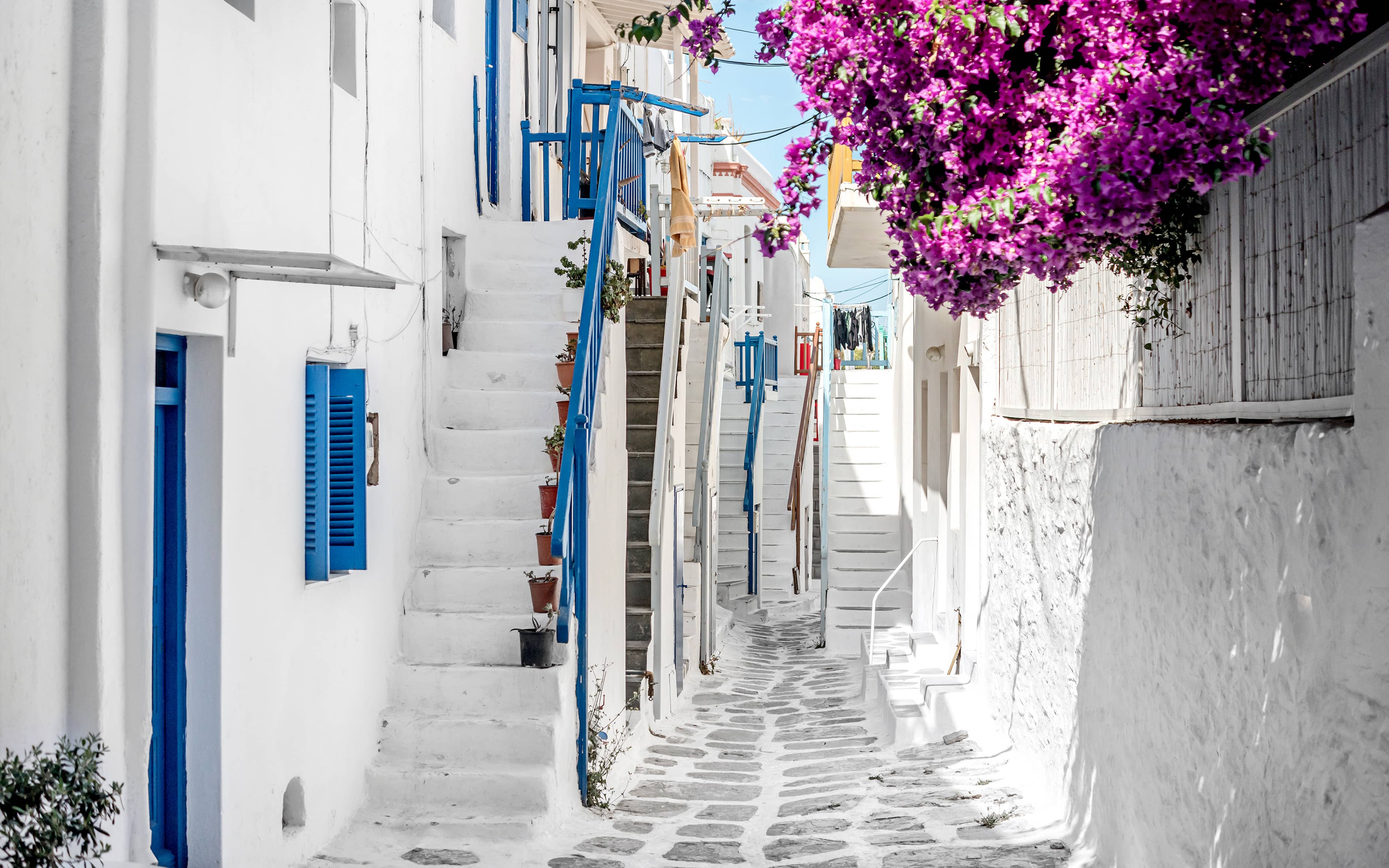
exactly where you should be
Naoussa is a village that remains vibrant even beyond tourism, and the marina reflects this character. Visitors find a working harbor, without unnecessary luxury but with consistent reliability. The team knows the winds, the weather conditions, and the rhythms of the season, and this experience translates into safety for every skipper. Porto Naoussa offers everything you need for a quality mooring experience, along with the unparalleled feeling that you are exactly where you should be.
| EMERGENCY CONTACTS | |
|---|---|
| Emergency at sea | VHF Channel 16 · 108 (Hellenic Coast Guard, 24/7) |
| General emergency | 112 (EU-wide — works on any mobile) |
| Police | 100 |
| Fire brigade | 199 |
| Ambulance | 166 (EKAV) |
| Paros Port Authority | +30 22840 21240 |
| Marina office | +30 22840 52908 · VHF Channel 77 |
The three-digit numbers (100, 108, 112, 166, 199) work from any mobile within Greece, including foreign SIMs on roaming. They cannot be reached from abroad by prepending +30.